Our approach
Hands-on, child-led and right for each age
We believe a child’s development and future success are shaped by their experiences in infancy and early childhood. Our program gives children rich, real experiences, matched to their age and stage, and the freedom to learn from them.
The greatest gifts you can give your children are the roots of responsibility and the wings of independence.
Through a rich, varied and age-appropriate program, we nurture those roots of responsibility, towards oneself, towards others, towards nature and towards the community, while encouraging the wings of independence that let children find their own solutions and their own paths.
Children learn by doing
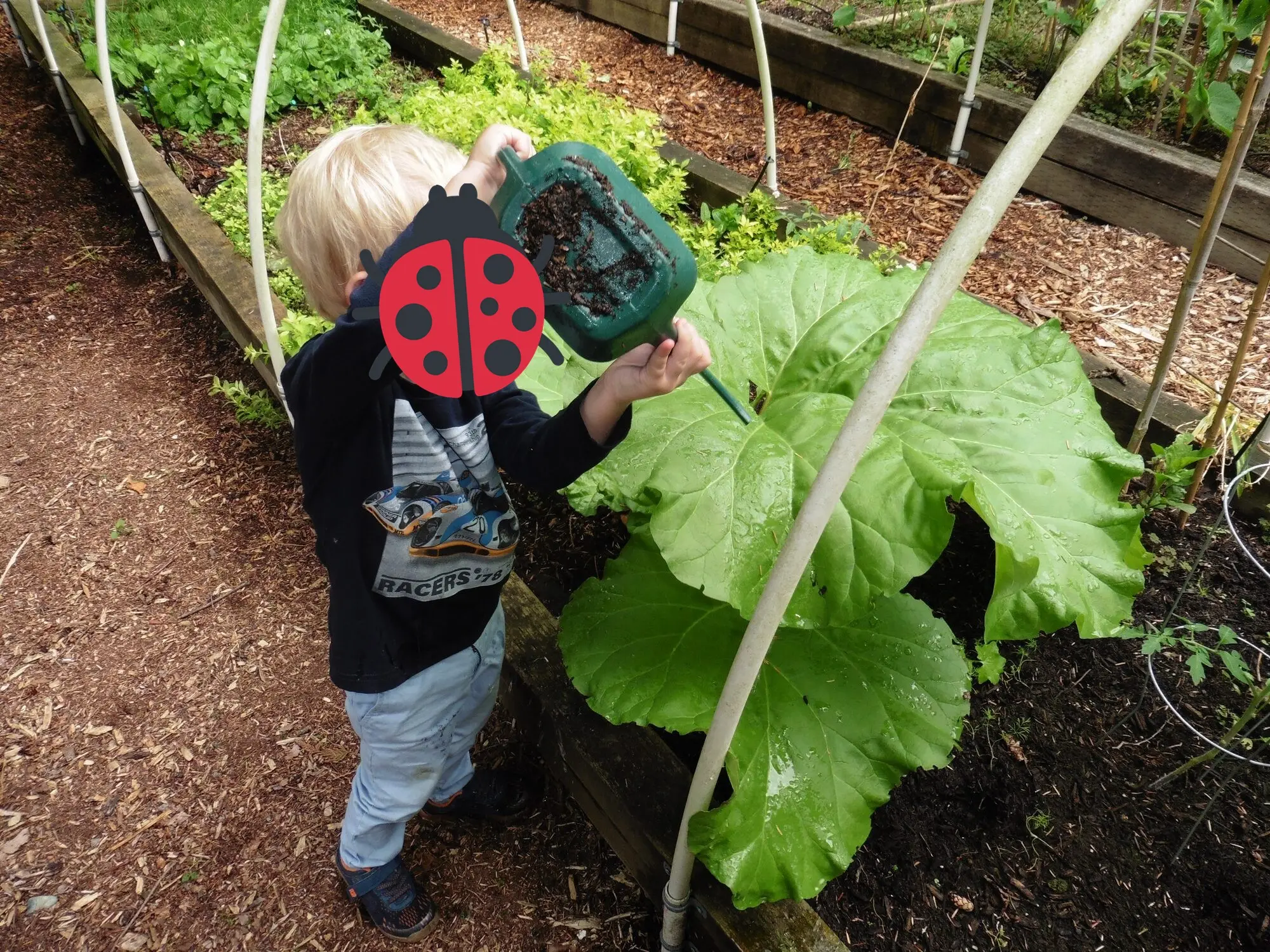
Young children understand the world through their senses and their hands. So we give them real things to do: planting seeds and picking what grows, pouring water, mixing dough, washing, sorting, building and painting. Experience comes first, and words and ideas follow.
Everyday practical skills, such as dressing, serving food, tidying up and caring for plants, are part of the curriculum, not a break from it. Each one builds coordination, concentration and confidence.
A carefully prepared environment
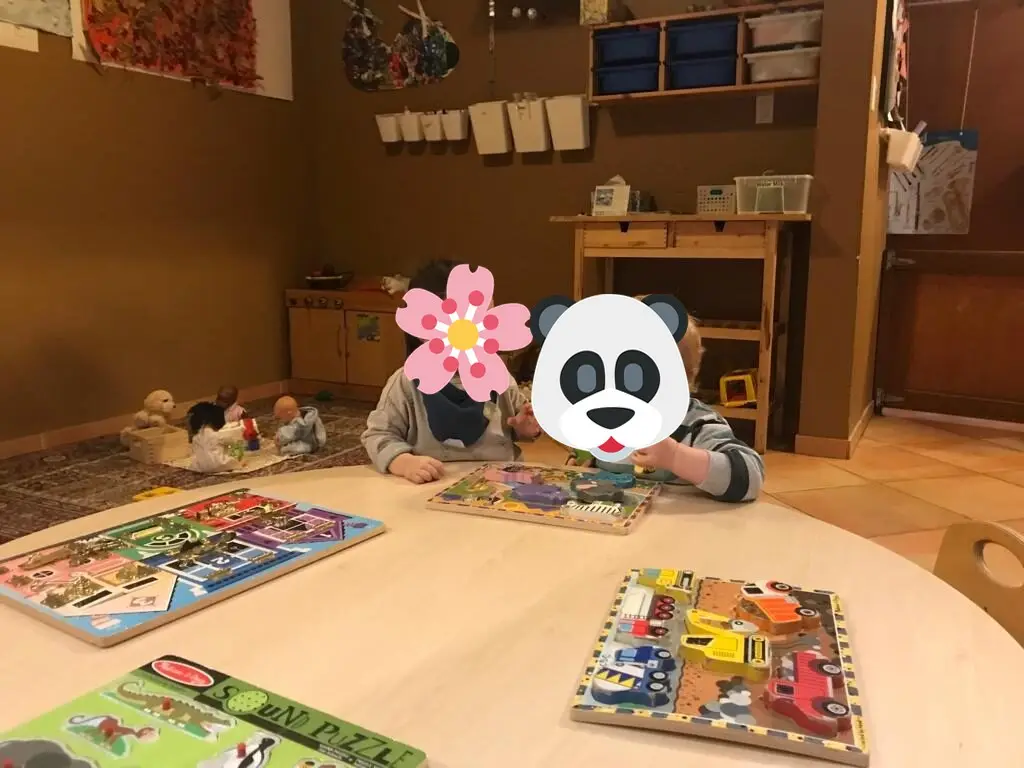
Our rooms are calm, orderly and set at the children’s height. Materials are chosen for a purpose and kept on low, open shelves, so children can see what is available, choose for themselves, work at their own pace and return things when they are done.
Educators observe closely, introduce new materials when a child is ready, and step back so children can try, make mistakes and succeed on their own. Freedom to choose, within clear and caring limits, is how self-discipline grows.
What we nurture
We are not simply a place of safe supervision. We aim to support the complete, healthy development of each child, giving them the chance to develop:
- Self-esteem and personal empowerment
- Decision-making and problem-solving skills
- Positive interaction with, and respect for, others
- Imagination, creativity, curiosity and initiative
- Environmental and social awareness and responsibility
- A thirst for knowledge and learning
- Clear communication and co-operation with adults and other children
- Emotional awareness and healthy expression of feelings
- Personal health and safety skills
How we put it into practice
- Valuing each child as an individual, with their own needs, personality and interests
- Supporting social, physical, intellectual, creative, emotional and moral development
- Making learning fun through play and exploration
- A safe, healthy and loving environment, free from prejudice, stereotyping and discrimination, that builds intercultural understanding and respect
- Practical life skills, cultural awareness, diversity, inclusion and sensory exploration
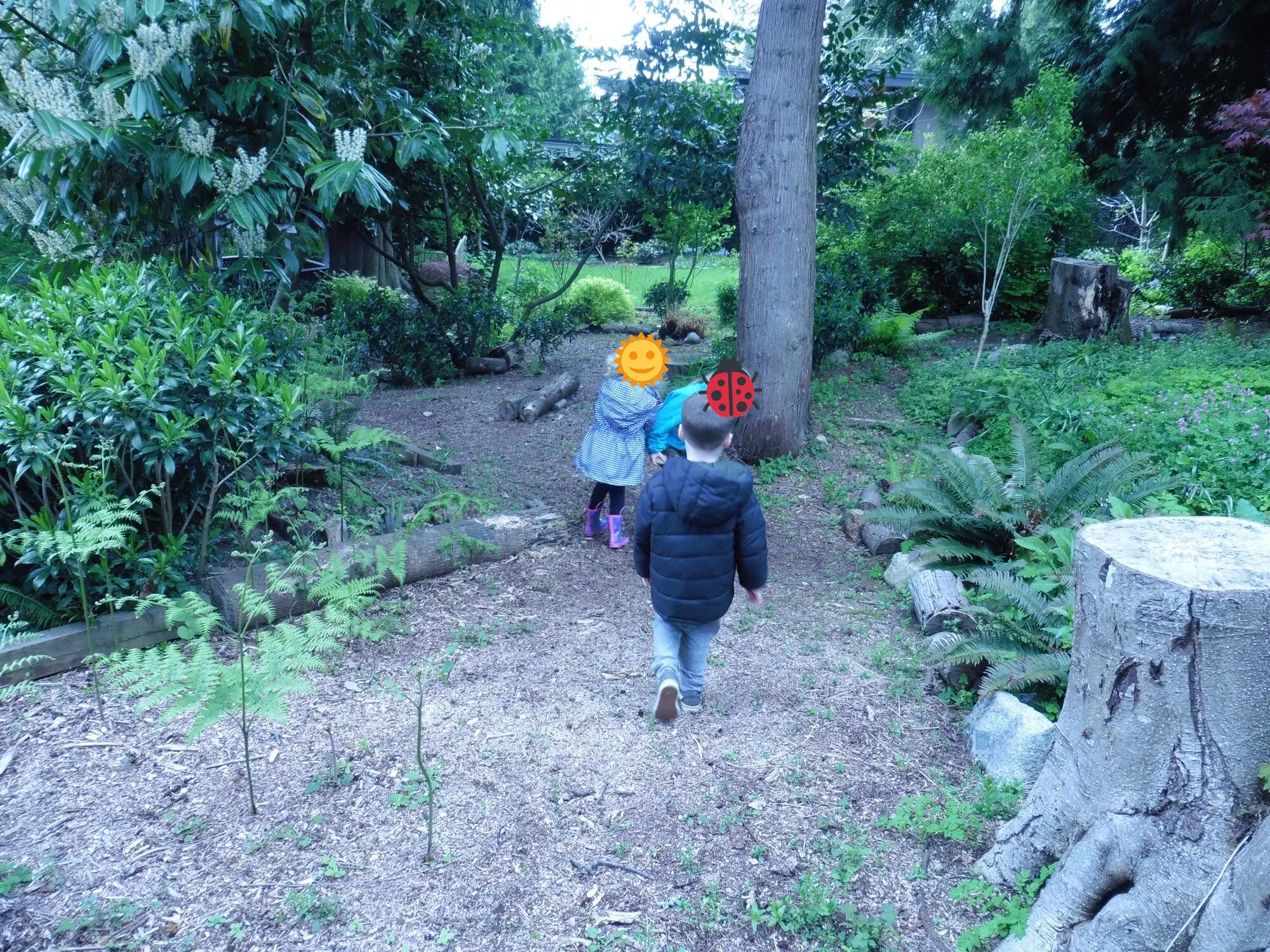
- Awakening a sense of wonder and connection with the living world
- Working co-operatively and respectfully, to balance independence with belonging to a community
Guided by British Columbia’s Early Learning Framework
Our program is also informed by the province’s British Columbia Early Learning Framework (2019), which sets out a shared vision for respectfully living and learning together in early childhood.
The mind is not a vessel to be filled, but a fire to be kindled.